- About KOMISS
- >
- KOMISS beyond Korea
K-Spine Becomes the Global Standard: A Record of the Global Academic Frontline in 2025
Name : 대한최소침습척추학회
Date : 2026-03-19
Hits : 298
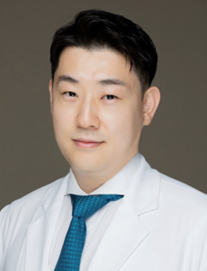
Professor Yong-san Ko
Kyungpook National University Hospital
Greetings to the esteemed members of the Korean Minimally Invasive Spine Surgery Society (KOMISS). I am Yong-san Ko from the Department of Neurosurgery at Kyungpook National University Hospital.
As we reach the final days of December, the year draws to a close. After receiving a request from Dr. Hee-seok Yang, our Director of Information, to write a piece regarding “The Global Outreach of K-Spine,” I took a moment to reflect on the past year. 2025 was a meaningful year in which KOMISS solidified its standing on the world stage as a leader in the field of minimally invasive spine surgery. Despite the busy year-end season, I would like to use this space to share the passion I witnessed on the global front with our members and record these moments as part of KOMISS’s history.
The K-Spine Fever Sweeping Europe and America
My journey this year began in March in the romantic city of Nice, France. I was invited to the 3rd French Spine Endoscopy Course, where I presented a novel surgical method integrating biportal endoscopy with spinal cord stimulation. At the time, I received enthusiastic inquiries from doctors across Europe and South America.
The heat from Nice moved immediately to Los Angeles, USA. At the 4th Amplify Endoscopic Spine Symposium held at UCI Health, I delivered a lecture on overcoming the learning curve for biportal lumbar interbody fusion. It was a firsthand experience of just how much interest North American surgeons—the traditional home of spinal surgery—have in Korean surgical techniques.
K-Spine: The Leader of Asia
Beyond the West, our exchanges in Asia were even more intimate and profound. In April, I was invited to the AIIMS Annual Neurotrauma Conference in India, where I delivered an online lecture on strategies to improve fusion rates in MIS fusion.
This year, our connection with Taiwan was particularly special. In May, I was invited to the Taiwan Society of Endoscopic Spine Surgery (TSESS) training course to provide online guidance on laminectomy techniques using biportal endoscopy. In June, I participated in the 5th Academic Conference of the Spinal Cord and Spine Professional Committee of the Chinese Hospital Association, where I trained Chinese medical staff on endoscopic techniques.
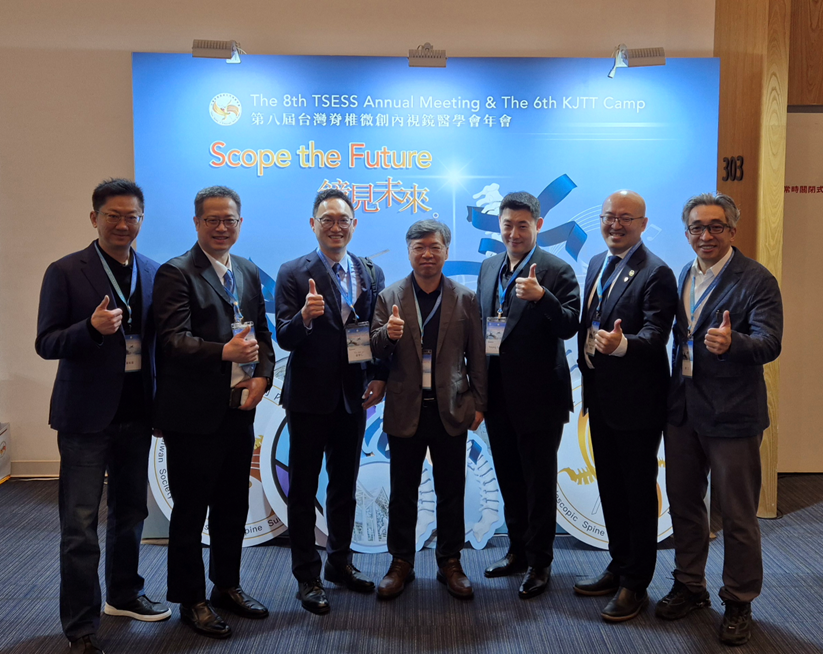
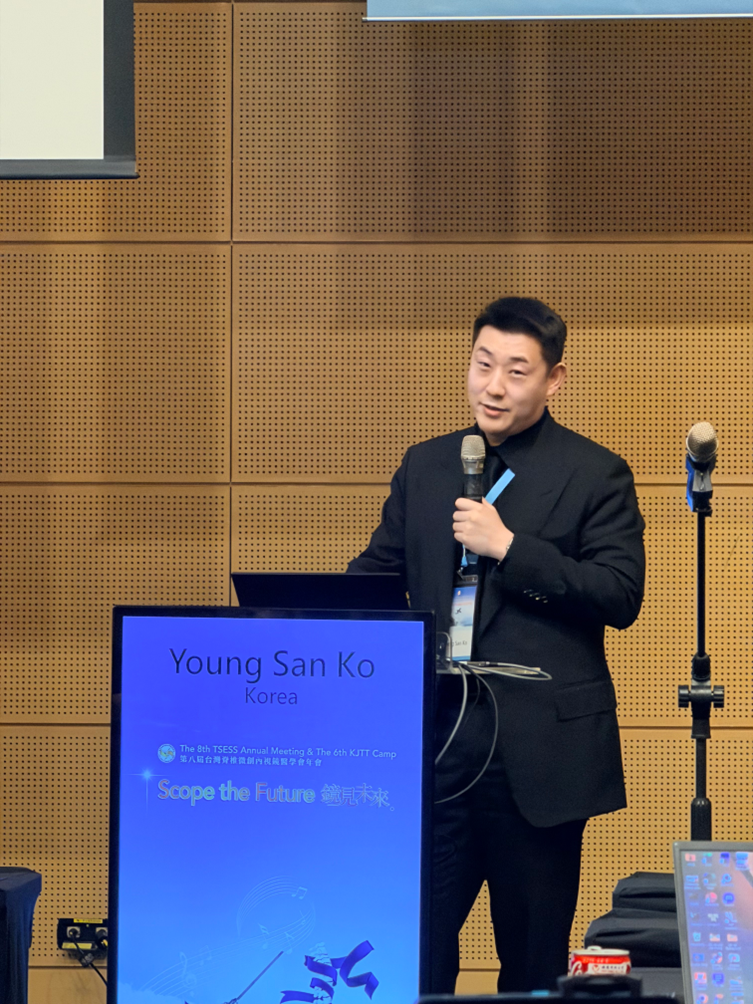
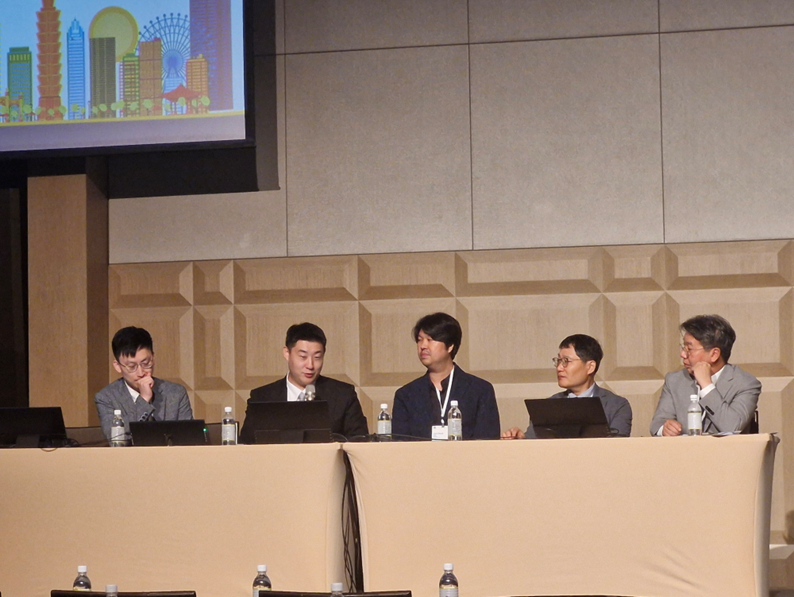
In July, I participated in the NASS International Annual Meeting in Taipei, delivering a lecture during the joint KOMISS-KOSESS session and serving as a faculty member for a two-day cadaver workshop. Just a few days ago, in December, I revisited Taiwan for the TSESS Annual Meeting to lecture in the advanced endoscopic technique session, further contributing to the international prestige of KOMISS. Additionally, in August, I traveled to Bangkok for the “Meet the MIS Masters: A Joint Korea-Thai Forum,” where I engaged in lectures and cadaveric training with spine specialists from various Southeast Asian nations. These experiences confirmed that Korean medical technology is not just being shared—it is becoming the "Standard" for spinal surgery in Asia.
Expanding to Latin America: AMCICO in Mexico
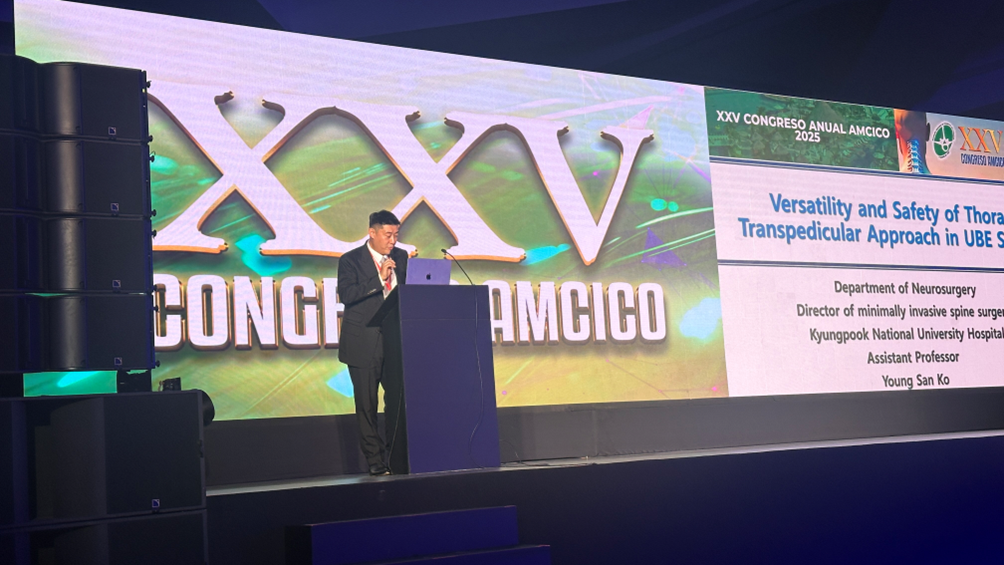
In September, at the threshold of autumn, I was invited to AMCICO 2025 (Mexican Conference of Spinal Surgery) held in Cancun—the largest event of its kind in Latin America. Witnessing spine specialists from Latin America show such fervent interest in our endoscopic methods reaffirmed that K-Spine has established itself as a true global standard.
Dreaming of a Future with the World
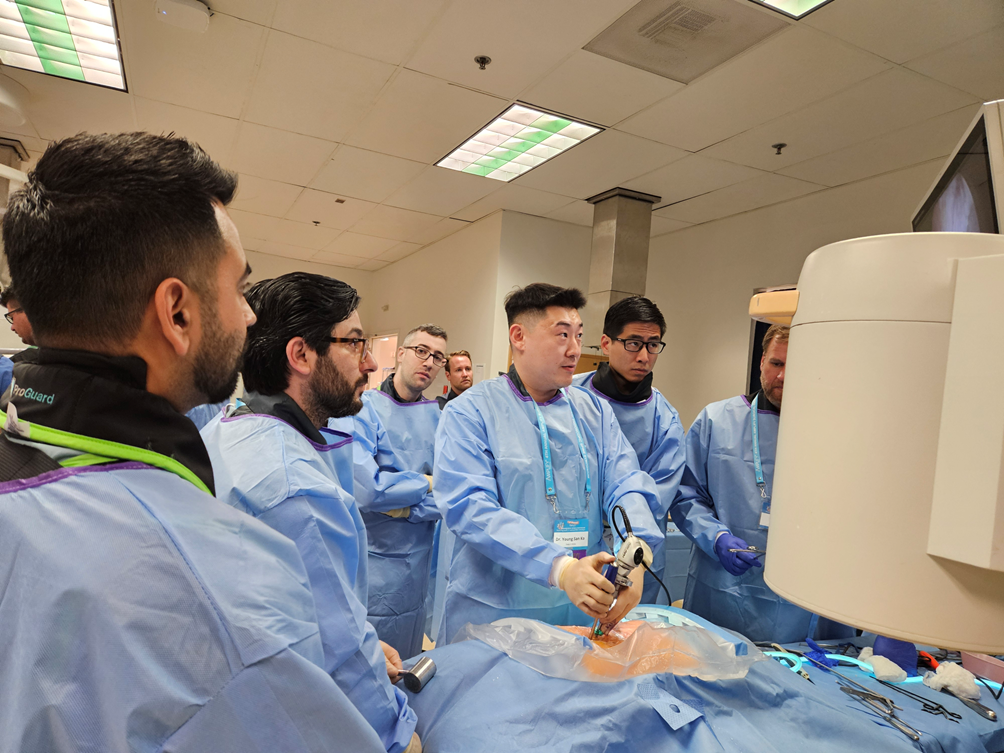
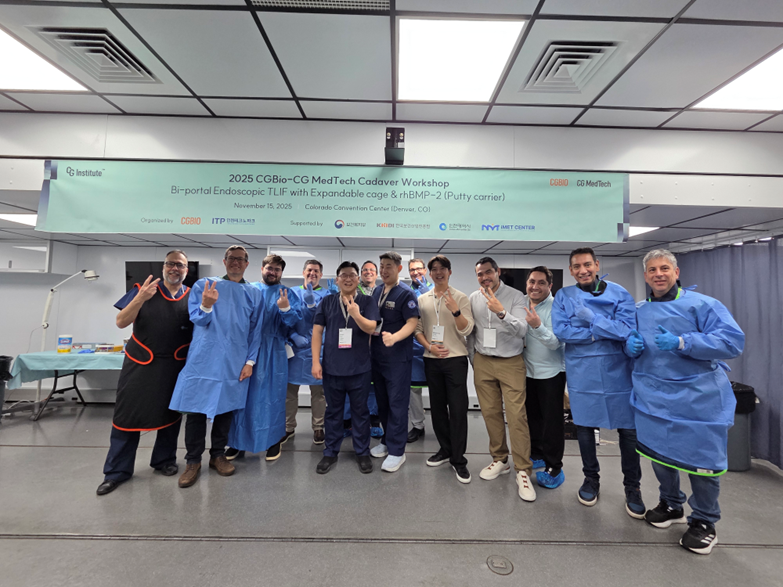
Among all my international activities, the most memorable was the 40th North American Spine Society (NASS) Annual Meeting held in Denver this past November. During the KOMISS session, several of our members introduced the excellence of our techniques before world-renowned scholars. Seeing the reaction on the ground—and witnessing the high level of participation and passion from North American surgeons while I taught biportal endoscopic fusion in the surgical innovation lab—gave me a profound realization. KOMISS is no longer in a position of learning advanced medicine from others; we are now leaders setting global trends and proposing new standards.
However, these achievements were never the result of a single individual’s strength. They were made possible by the dedication of our seniors who paved the way in barren environments, and the tireless research and challenges of the KOMISS members who lead this society. I merely stood on the stage for a moment as a representative of the solid foundation you all have built.
 \
\
I want to share the deep emotion I felt while planting the flag of K-Spine across the globe in 2025 with all of you. I am confident that 2026 will be a year where KOMISS takes an even greater leap toward becoming the center of global spinal medicine. I will continue to do my best to assist the President and our members in this mission.
To all our members, thank you for your hard work this year. I wish you a warm end to the year and a hopeful New Year.
Thank you.